
The Evolution of International Carbon Credit Regulations
November 18, 2024
The Evolution of International Carbon Credit Regulations
The evolution of International Carbon Credit Regulations is a fascinating journey that reflects the global commitment to mitigate climate change. As the world grapples with increasing carbon emissions, understanding the development and impact of these regulations becomes essential for various stakeholders, including environmental policy makers, corporate sustainability officers, and legal professionals.
Foundational Development (Pre-2005)
The concept of carbon markets began to take shape in the 1970s, with policies like the United States' Clean Air Act laying the groundwork for emissions-offsetting mechanisms. The emergence of carbon credits as a tool for industries to offset emissions was a pivotal development, eventually leading to more structured systems within international regulatory frameworks.
Growth and Formalization (2005-2011)
The period from 2005 to 2011 was marked by significant growth in international carbon markets. The European Union's Linking Directive in 2004 played a crucial role by integrating trading schemes and encouraging broader participation. The Kyoto Protocol’s Clean Development Mechanism (CDM) further accelerated this growth, enabling developed countries to invest in emission reduction projects in developing nations.
Voluntary Carbon Markets
The evolution of voluntary carbon markets has been instrumental in allowing corporations to offset emissions as part of their sustainability and corporate responsibility strategies. These markets have expanded significantly, adapting to incorporate the latest standards for carbon credit validation and trading. The Carbon Market Regulations Tracker provides insights into these developments.
Challenges and Adaptation
The carbon credit system has faced challenges, including issues with "phantom credits" and questionable offset projects. These challenges have led to calls for enhanced transparency and standardized verification processes. The Article 6 of the Paris Agreement is a notable international framework refining mechanisms for global cooperation in emission reductions.
Current Trends and Future Directions
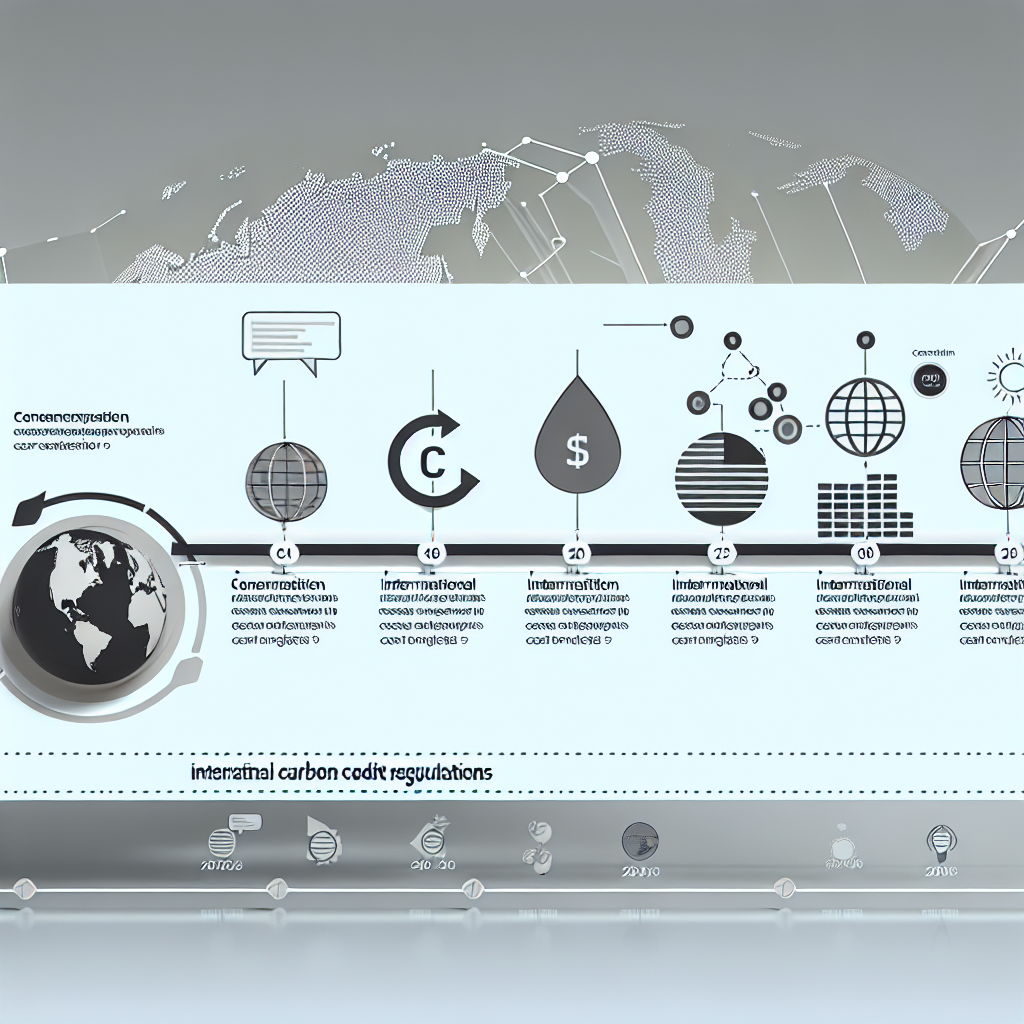
As of 2024, the international carbon credit landscape is witnessing rapid evolution, driven by technological advancements, stricter regulations, and innovative mechanisms like blockchain for tracking credits. Recent regulations suggest a move towards integrating international carbon credits with carbon tax coverages, setting caps on offset usage. This evolving landscape is comprehensively detailed in the 2024 International Carbon Market Update.
The synergy between mandatory regulatory frameworks and voluntary market practices illustrates a holistic approach to climate change mitigation. As stakeholders continue to navigate this complex landscape, the focus remains on achieving more sophisticated, transparent, and effective mechanisms for reducing global carbon emissions.